Sometimes the most vital part of a loved one's care is not only the clinical procedure, but who delivers it and how. When support involves complex medical needs, choosing the right provider is about safety, skill and trust together. Here is how to choose well.
What high intensity support involves
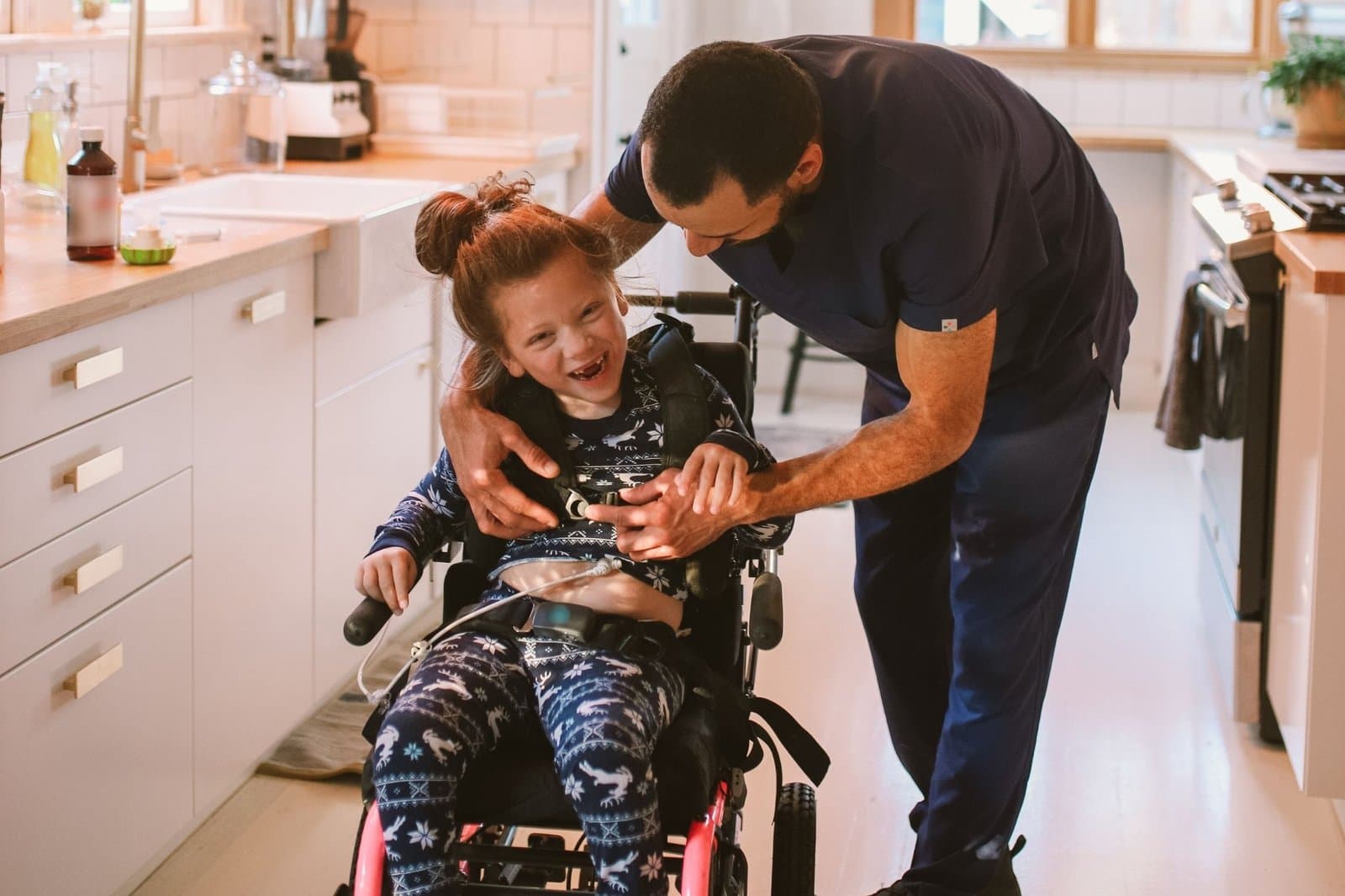
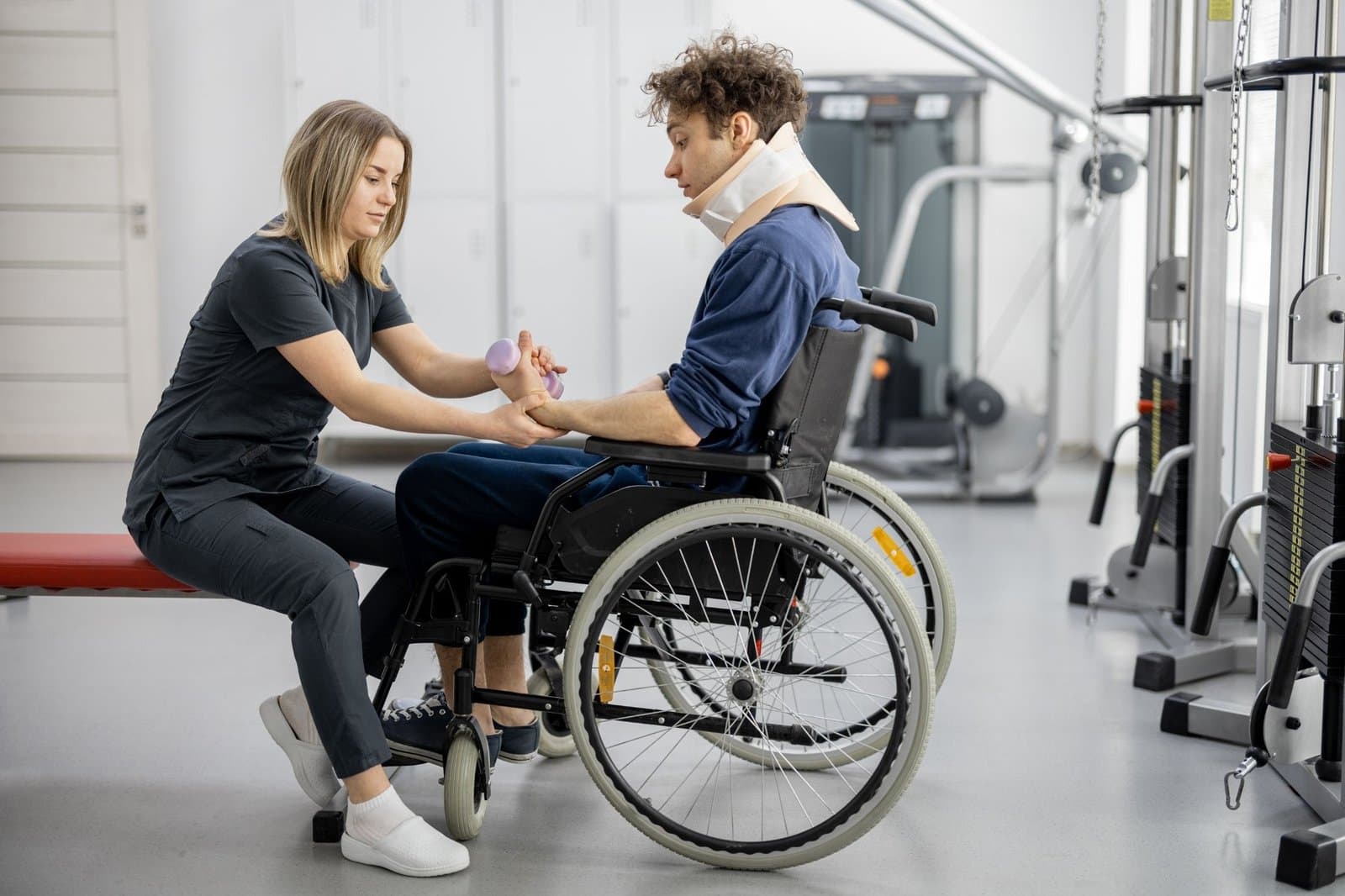
High intensity supports cover daily activities that need extra training and clinical oversight to do safely. That includes things like complex bowel care, enteral feeding, tracheostomy and ventilation support, severe dysphagia management, and complex wound care. These are not tasks to leave to chance.
Questions that protect your family
When you assess a provider, dig into how they keep care safe.
- Are you a registered NDIS provider for high intensity supports?
- Is there registered nurse oversight of clinical care?
- How are workers trained and how often is competency checked?
- What are your protocols when something goes wrong?
- How do you keep my support team consistent?
The red flags
High staff turnover, vague answers about clinical procedures, and reluctance to involve your treating health professionals are all warning signs. In complex care, clarity is safety. A provider who cannot explain their process clearly is not the right fit.
Skill and cultural respect together
Clinical credentials matter, and so does feeling understood. The best support combines professional expertise with cultural and linguistic alignment, so your family feels both safe and respected. Our high intensity team offers exactly that, with clinical oversight and bilingual support across Western Sydney.
Ready to take the next step?
Our Liverpool team is here to listen and help, in your language, at your pace.